Introduction
Let’s talk about that moment in screen printing when the air gets thick with that sharp, chemical smell. You know the one. It comes from the flash-drying step, and it’s not just a nuisance—it’s volatile organic compounds, or VOCs, hanging around. Here’s how we tackled it. We built a power circuit, using capacitors, that’s purpose-built to run high-intensity UV lamps. The goal? To kickstart a full catalytic reaction. And it does more than just speed up the curing process. It actually breaks down those odor-causing molecules right at the source. The result is clean air and ink that’s fully, properly cured.
The Power Behind the Process
The whole system comes down to one thing: power. You need a massive jolt of high-voltage to get that UV arc going and keep it stable. Our capacitors are chosen for one job—to deliver a lightning-fast discharge. They hit the lamp’s electrodes with the kilovolts needed for an instant strike. No flickering. No wasted energy. No ink left sticky and uncured. And because a flash unit cycles on and off constantly, the circuit has to keep up. That’s why our capacitor bank is built for the relentless rhythm of high-current pulsing. It just keeps going.
Built to Take the Heat
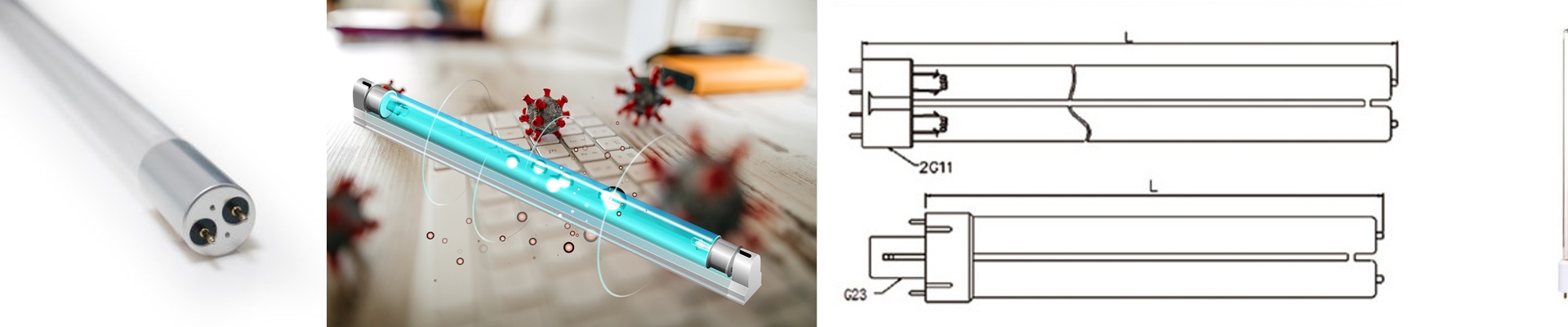
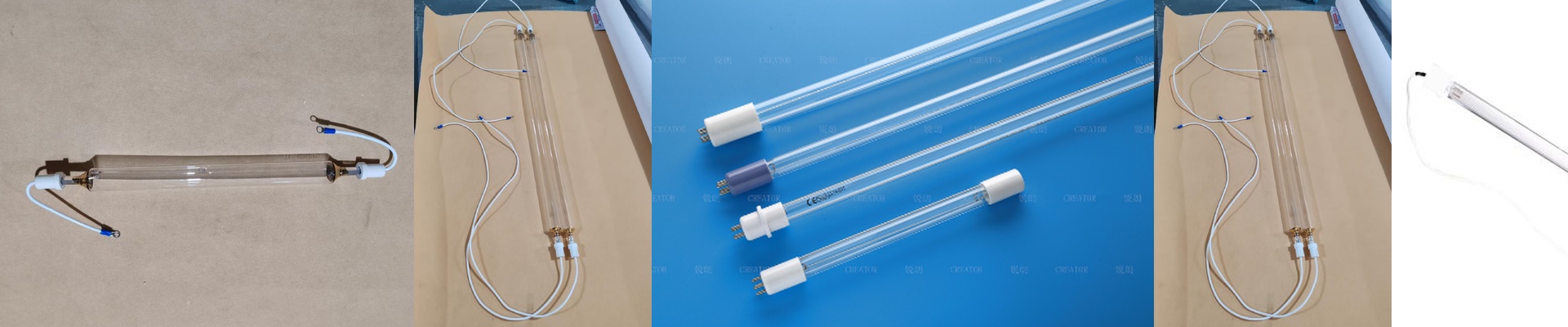
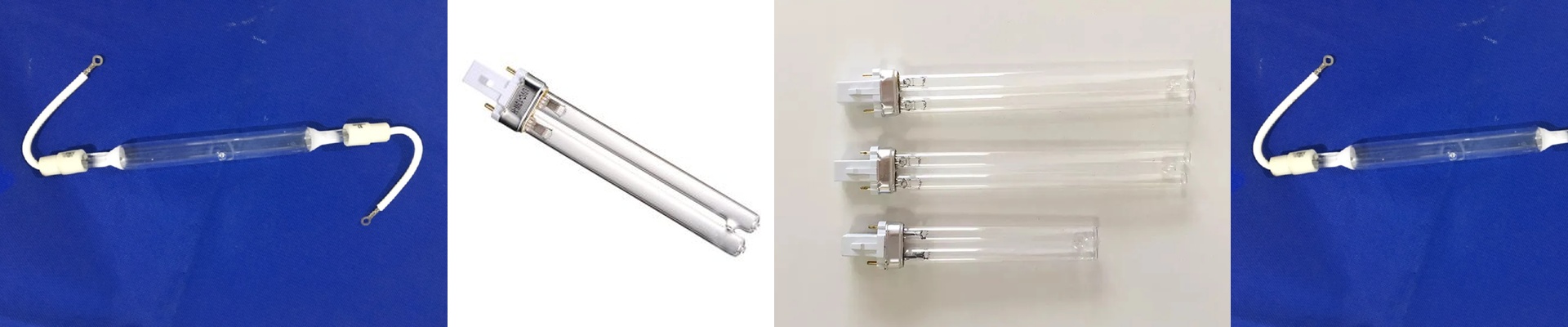
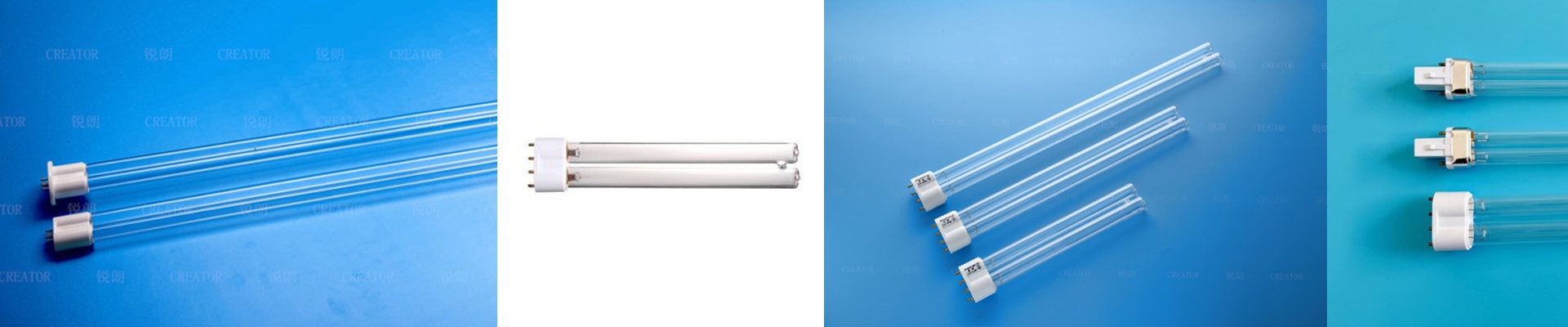
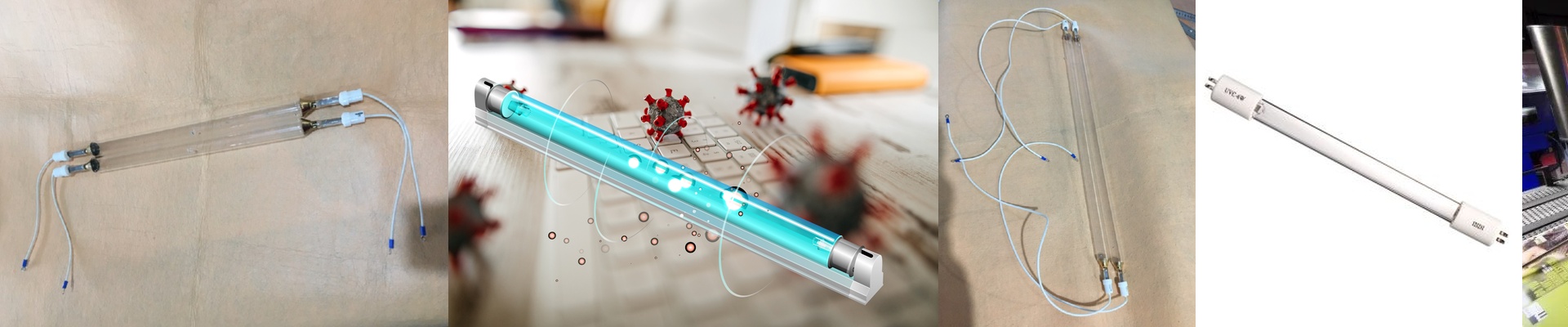
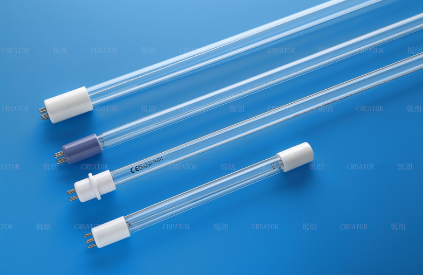
Let’s be real—these UV lamps run hot, and the electronics around them feel the burn. So we use quartz envelopes with special coatings. They keep the light pure and handle the thermal shock without cracking. And the connectors? We stick with the R7s type for a reason. It’s built for high heat and gives you a solid, low-resistance connection. This means the lamp stays locked in place, and you don’t get those annoying voltage drops that lead to uneven curing or a lamp that burns out way too soon.
How It Works on the Shop Floor
On the floor, you need a solution that makes your life easier, not harder. This UV lamp and capacitor combo delivers. It blasts out high-energy photons that cut right through the ink. The payoff? Complete polymerization in seconds. The kind that leaves no solvent behind to stink up the place. But here’s the thing—all that power comes with heat. A 2500W UV system puts out a lot of it. So your machine’s cooling has to be up to the task. Make sure you’ve got enough airflow or water cooling to keep everything in its sweet spot. That’s how you keep the line moving—fast, clean, and without a hitch.